

Manufacturing injuries often start with the same kinds of problems: repetitive motion, awkward lifting, unnecessary reaching, rushed maintenance access or equipment that requires operators to work too close to moving components. Over time, those risks can lead to fatigue, missed work, production delays and serious injuries.
Envision Automation helps manufacturers reduce those risks with custom automation systems designed around the way people actually interact with equipment. From lift assists and tool balancers to guarded work cells, interlocks, light curtains and safer maintenance access, Envision designs automation that improves production while helping protect the people running it.
Safety Starts with the Way the Machine Is Designed
Safety needs to be considered during design, before the equipment is built and before the electrical and controls work is finalized.
Envision Automation looks at how operators will load parts, clear faults, access tooling, perform maintenance and work around the machine during normal production. Those details help determine the right safety approach, including guarding, access doors, safety interlocks, light curtains and lockout/tagout requirements.
When safety is planned early, the final system is easier to operate, easier to maintain and less likely to encourage unsafe shortcuts.
Reducing the Need for Risky Manual Work
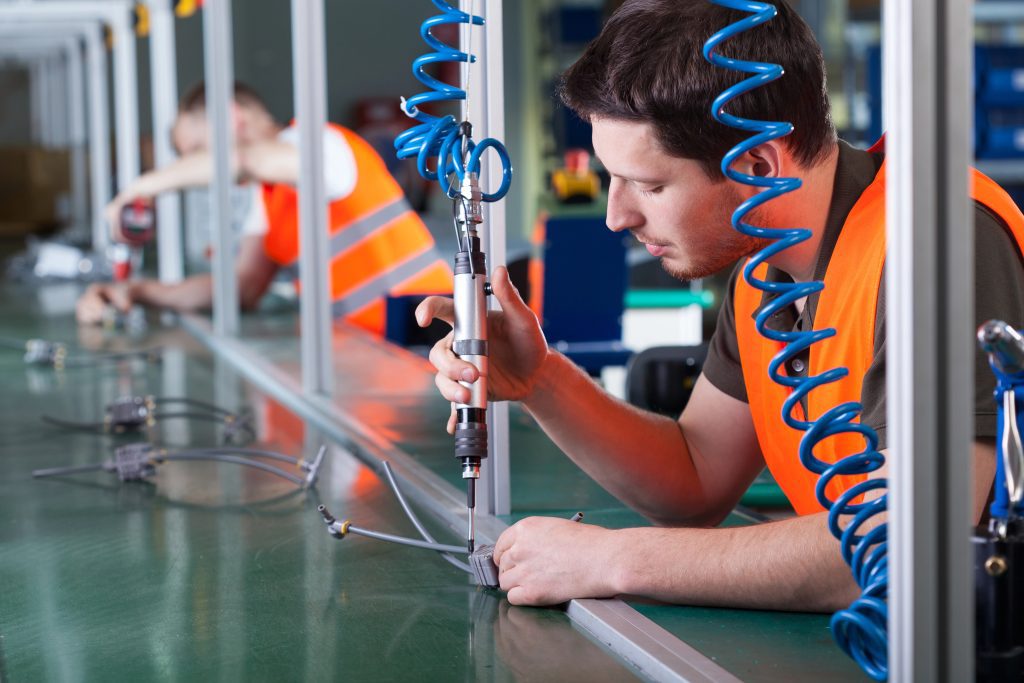
Many ergonomic problems come from tasks that operators repeat all day. Lifting parts, holding tools, rotating components, reaching into fixtures or moving materials between stations may seem manageable at first, but those motions add up across a shift.
Envision Automation can help reduce that strain with custom solutions such as:
- Lift assists for heavy or awkward parts
- Tool balancers for repeated fastening or assembly work
- Pick-and-place systems for repetitive loading and unloading
- Conveyors and transfer systems to reduce manual movement
- Automated stations that handle difficult or high-repetition tasks
- Fixtures and controls that help operators work in a safer, more natural position
The goal is not always to remove the operator from the process. Often, the best solution is to give employees better support so they can work safely, consistently and with less fatigue.
Risk Assessments Help Identify the Right Safety Measures
Before equipment is released for manufacturing, a risk assessment helps identify what hazards exist and how those hazards should be controlled. Envision Automation uses this process to evaluate the severity of potential injuries, how often someone may be exposed to a hazard and what steps are needed to reduce risk.
That review helps guide key machine design decisions, including:
- Where guarding is required
- Where operators need access
- What safety interlocks are needed
- How far light curtains should be placed from moving equipment
- What steps are required for safe maintenance
- How lockout/tagout should be handled
- How the machine should respond when a safety device is triggered
For larger equipment, this process can take significant time and often involves mechanical engineers, controls programmers, operators, maintenance personnel and safety teams. That collaboration matters because each group understands a different part of how the machine will actually be used.
Lockout/Tagout Must Be Clear & Practical
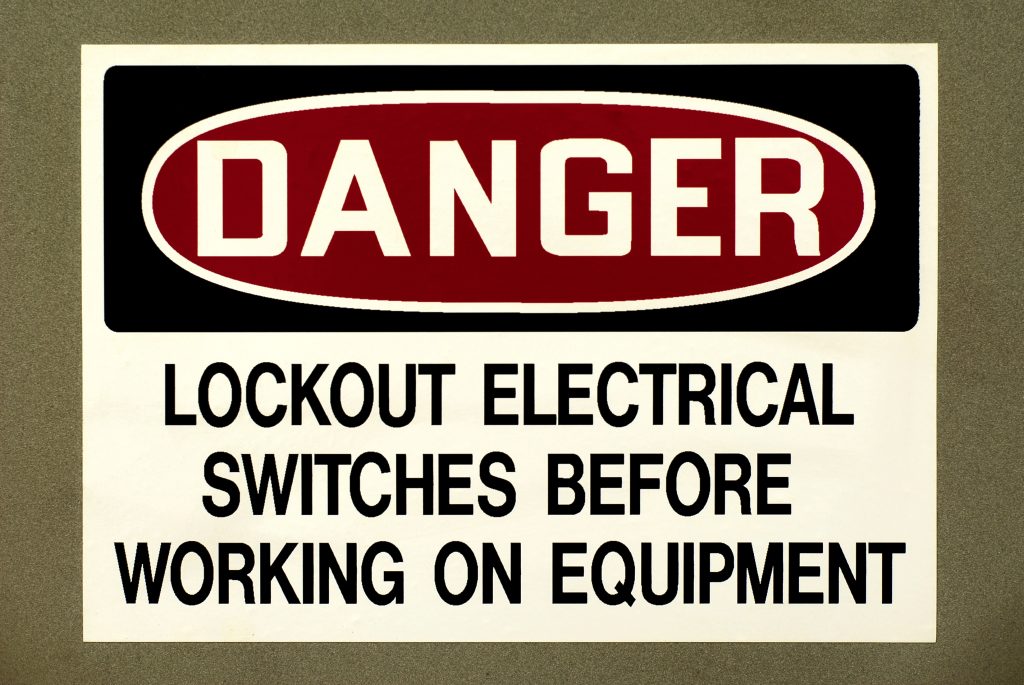
Maintenance and operators need to know exactly how to bring equipment to a safe state before service, adjustments or clearing issues. That means the system needs clear lockout/tagout provisions and a clear path to zero energy.
For Envision Automation, that includes accounting for hazards such as electricity, hydraulics, pneumatics, stored mechanical energy and gravity. Shutting a machine off is not always enough. If pressure, motion or suspended loads remain, the equipment may still present a serious hazard.
Clear lockout/tagout design helps prevent confusion and gives maintenance teams a safer, more reliable process to follow.
Better Design Helps Prevent Safety Bypasses
One of the most dangerous situations in manufacturing happens when safety equipment is bypassed. This may happen because someone wants faster access, fewer steps or an easier way to clear a problem. But bypassing safety devices can expose employees to moving machinery, stored energy and pinch points.
Envision Automation designs systems with real-world use in mind. If operators and maintenance teams need regular access to a certain area, that access should be planned into the machine. Thoughtful guard placement, safe access doors, interlocks and practical maintenance positions can reduce the temptation to work around the safety system.
A safer machine should not make normal work harder than it needs to be. It should guide people toward the right process.
Automation Can Improve Safety & Production at the Same Time
Ergonomic and safety improvements also support production. When operators are less fatigued, they can work more consistently. When a lift assist handles the strain of a heavy part, the operator can focus on the process. When a tool balancer supports a screwdriver or fastening tool, repeated assembly work becomes easier to sustain. When a guarded station or light curtain protects the work area, the process can run with better control.
These improvements can help manufacturers reduce injuries, lower downtime tied to missed work and improve the consistency of the production line.
New Safety Technology Is Expanding What’s Possible
Traditional guarding is still important, but newer technologies are creating more flexible options for certain applications. Safety cameras, area scanners and collaborative robots can allow systems to slow down or stop as people approach defined zones.
These technologies are not the right fit for every project, and cost can still be a factor. But as they continue to advance, manufacturers will have more options for safer, more open automation layouts.
Envision Automation helps customers evaluate those options based on the actual application, risk level, budget and production goals.
Build a Safer System with Envision Automation
Automation should make production safer, more consistent and easier for employees to work around. Envision Automation designs custom systems that help manufacturers reduce repetitive strain, improve machine access, strengthen lockout/tagout procedures and build safety into the equipment from the start.
From small work cells to larger integrated systems, Envision helps manufacturers create automation that supports both people and production.
Ready to reduce workplace injuries and improve ergonomics? Contact Envision Automation to discuss a custom automation solution for your facility.